How to Help Wild Birds in Extreme Winter Weather (A New Year Guide for Canadians)
- Posted on
- By Bobbi Wright
- Posted in backyard wild birds, best wild bird seed for winter, buy wild bird seed online Canada, extreme cold wild bird care, feeding wild birds in winter, help wild birds in cold weather, premium wild bird seed, The Right Stuff wild bird seed blend, wild bird feeder cleaning, wild bird feeding, wild bird feeding Ontario, wild bird feeding station, wild bird feeding tips, wild bird seed, wild bird seed blend, wild bird seed Canada, wild bird seed delivery Canada, wild bird seed shipped across Canada, wild bird suet, wild bird water in winter, wild bird winter survival, wild birds in winter, winter backyard wild birds, winter food for wild birds, winter wild bird feeders
- 0
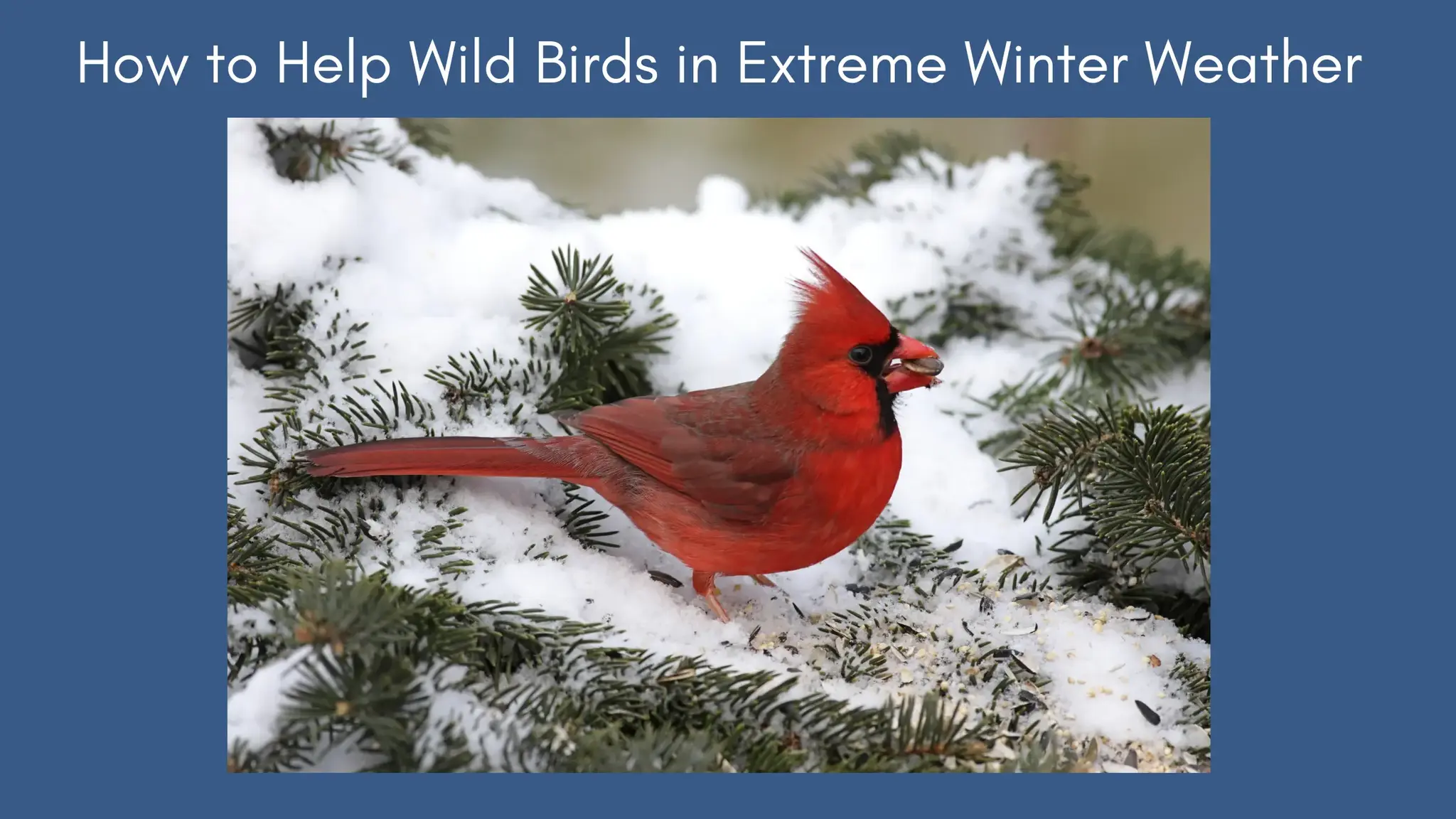
Cardinals are year-round favourites in many Canadian backyards — and in deep cold, premium seed and fresh water can give wild birds the energy they need to thrive.
Winter in Canada is beautiful — but for wild birds, it’s the most demanding season of the year. Short daylight hours, deep cold, wind, and snow-covered natural food sources mean birds burn enormous amounts of energy just to survive.
Backyard feeding can be a real winter lifeline — when it’s done thoughtfully and kept clean.
Offer high-energy food (critical during extreme cold)
When temperatures plunge, birds need calories — especially fat — to maintain body heat. This is why premium seed blends and suet are most valuable in January and February.
A consistent, high-quality food source helps birds conserve energy and increases the diversity of species visiting your yard.
The Right Stuff Birdseed Blend has been trusted for over 30 years. It was refined by observing what birds actually eat — and what they don’t. Small-batch mixed with prime-sourced, fresh, Non-GMO ingredients and no fillers or additives, it provides clean, reliable fuel when birds need it most.
Add a premium suet station for additional fat, and between quality seed and suet, birds’ winter nutritional needs are well covered.
Provide fresh water (often more important than food)
In winter, liquid water can be harder for birds to find than food. While birds can eat snow, they lose valuable calories warming it inside their bodies.
If possible, offer fresh water daily in a shallow birdbath and keep it from freezing. Even a small unfrozen drinking spot can attract birds quickly.
Heated birdbaths and birdbath heaters are ideal winter solutions. They’re thermostatically controlled (not a constant hydro drain) and ensure birds have access to open drinking water even during the coldest weather.
Keep feeders clean and food dry (essential for bird health)
Clean feeders are not optional — they’re essential.
This winter, there have been multiple reports of conjunctivitis in finches, a contagious eye disease that spreads easily at feeders where birds gather closely. We have removed our own feeders at times this season to intentionally interrupt this disease vector.
Watch closely for birds that are:
-
overly puffed up and lethargic
-
showing weepy, swollen, or crusty eyes
-
struggling to open their eyes, sometimes crusted shut
Proper winter feeder care:
-
Refresh seed regularly
-
Keep food dry and free of ice buildup
-
Clean feeders at least weekly (more often during wet weather or heavy use)
-
Place feeders where they’re protected from wind and driving snow
Feeding birds is a privilege — and sometimes the most responsible action is knowing when to pause.
Why premium birdseed is better value than box-store blends
Cheaper box-store seed mixes often rely on filler ingredients many birds ignore. The result is more waste, fewer returning birds, and money left on the ground.
Freshness is another major factor. Stale seed is far less appealing and can drive birds elsewhere. Just last week, customers told us they temporarily switched seed during holiday busyness — and the birds disappeared. Once they returned to The Right Stuff, the birds came back quickly.
Premium blends focus on seeds birds actively choose, which means:
-
more feeder activity
-
less mess and waste
-
better value per scoop
-
healthier, warmer birds
Birds only rely on feeders for about 20–25% of their total food intake, but when natural sources run low in winter, what we offer should be the best we can provide.
Please don’t feed bread to songbirds
We’ll explore this in more detail in a future post, but for now: bread has no place at songbird feeders. While intentions were kind in the past, we now know bread offers no nutritional value and can actively harm birds — especially in winter. Empty calories are not great for humans, but for birds in deep cold it could be a death sentence.
Yes — we ship birdseed across Canada
You can stock your winter bird-feeding station from anywhere in the country.
The Right Stuff Birdseed Blend ships across Canada in:
-
5 lb
-
10 lb
-
20 lb
Refills for The Right Stuff Refillable Buckets are available in-store only.
SIDEBAR: Finch Conjunctivitis & When to Remove Feeders
What is it?
Finch conjunctivitis is a contagious eye disease that spreads easily at feeders to other birds. It is not contagious to humans but best practice is to use gloves while cleaning feeders.
Watch for:
-
swollen, watery, or crusted eyes
-
birds sitting fluffed up for long periods
-
difficulty seeing or flying
If you see symptoms:
-
Remove all feeders immediately
-
Leave feeders down for 10-14 days
-
Clean and disinfect thoroughly before rehanging
How to disinfect feeders:
-
Wash with hot, soapy water
-
Soak or scrub with a 1:9 bleach-to-water solution
-
Rinse thoroughly
-
Air dry completely
Stopping feeding temporarily can save birds’ lives.
Comments
Be the first to comment...